
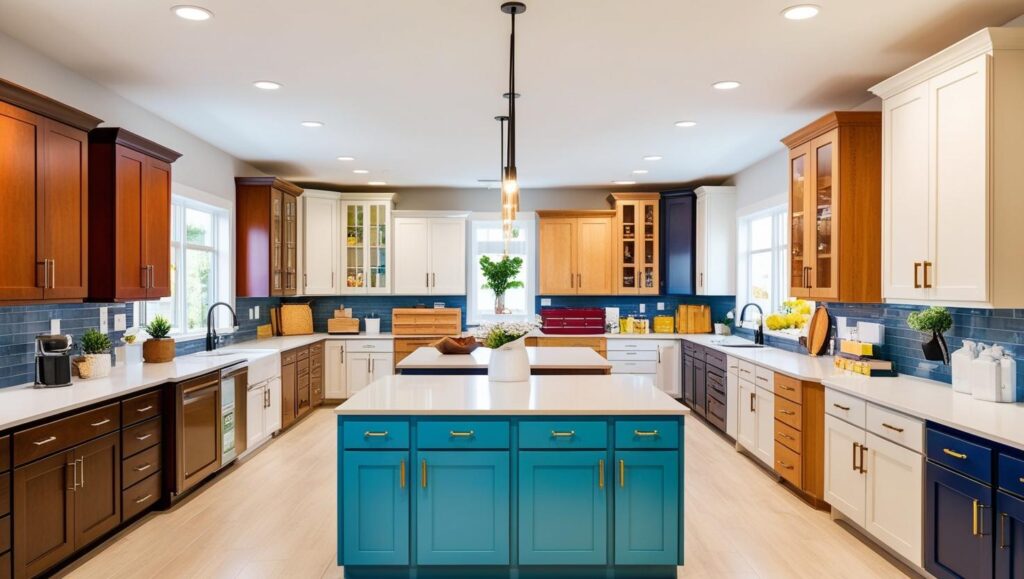
Renovating a kitchen is an exciting yet challenging project. One of the most significant decisions you’ll make during this process is choosing the right countertop. Your countertop plays a central role in your kitchen’s overall look, functionality, and durability. With numerous materials available, it can be overwhelming to pick the one that fits both your aesthetic preferences and practical needs. In this guide, we will explore various factors you should consider when choosing the best countertop for your kitchen renovation.
Factors to Consider When Choosing a Kitchen Countertop
Durability
The durability of your countertop should be one of the top priorities. After all, a kitchen countertop endures daily use, from food preparation to hot pots and heavy objects being placed on it. When selecting a material, consider how well it can withstand wear and tear. Harder materials such as granite, quartz, and concrete are known for their durability, while softer materials like marble may require more maintenance and care.
Granite, for instance, is highly resistant to scratching, chipping, and heat, making it ideal for a busy kitchen. On the other hand, marble, though elegant, can be easily scratched or stained, especially by acidic substances like lemon juice or vinegar.
Style and Design
The kitchen is often considered the heart of the home, and the countertop is a focal point that should tie the entire space together. Whether you’re designing a contemporary, rustic, or classic kitchen, the right countertop material can enhance the overall look. Popular countertop styles include sleek, minimalist designs for modern kitchens, or rustic butcher block surfaces for a farmhouse look.
Different materials come in a variety of finishes such as polished, honed, or matte. A polished surface will shine and reflect light, while honed finishes have a more natural, subdued look. Think about the visual impact you want in your kitchen and how the countertop material will complement your cabinets, backsplash, and flooring.
Maintenance Requirements
Some countertop materials require regular maintenance to keep them in good condition. For example, granite countertops often need to be resealed every year to protect against stains and moisture. Wood and butcher block countertops also require oiling and periodic sealing to prevent drying out or becoming damaged by spills.
In contrast, quartz and solid surface countertops are low-maintenance options that only require periodic cleaning with mild soap and water. If you lead a busy lifestyle and prefer a countertop that requires minimal care, these materials may be the best fit for your kitchen renovation.
Related Article: The Best Countertops for High-Heat Cooking Areas
Popular Countertop Materials
Choosing the right material is crucial to getting the most out of your investment. Let’s take a closer look at some of the most popular countertop materials to help you decide which one is right for your kitchen.
Granite
Granite is a classic and highly popular choice for kitchen countertops due to its durability and timeless beauty. It is available in a variety of colors and patterns, from speckled to veined designs. Granite is a natural stone, and each slab is unique, adding a distinctive touch to your kitchen.
Granite is highly resistant to scratches, heat, and stains, making it perfect for high-traffic kitchens. However, it does require periodic sealing to maintain its resistance to stains. Although granite countertops tend to be on the pricier side, their long-term durability and beauty make them a worthwhile investment.
Quartz
Quartz is an engineered stone, made by combining natural quartz with resin. This material is one of the most popular alternatives to granite, offering many of the same benefits without the need for sealing. Quartz is non-porous, making it highly resistant to stains and bacteria. It is available in a wide range of colors, patterns, and finishes, allowing you to achieve the exact look you desire.
One of the main advantages of quartz is its low-maintenance nature. Simply wipe it down with a soft cloth and mild soap to keep it looking brand new. However, quartz is not as heat-resistant as granite, so it’s important to use trivets or hot pads when placing hot pots or pans on the surface.
Marble
Marble countertops add a luxury look that instantly upgrades any kitchen. With rich colors and natural veining, this high-end stone surface is a top choice for homeowners who want a premium finish. We provide professional installation services to ensure every slab is measured, cut, and installed with expert care. Our goal is a flawless fit that looks beautiful and lasts for years.
Because marble is a softer and porous material, expert installation is critical. Our team follows industry best practices, including proper sealing and precise placement, to reduce the risk of stains, scratches, and damage. We also guide homeowners on how to care for their newly installed marble surface to keep it looking clean and elegant. Whether you need full kitchen installation or accent features like islands and backsplashes, we deliver reliable and high-quality results.
Concrete
Concrete countertops offer a modern and industrial look that can be customized to suit your style. Concrete is highly durable and can be formed into any shape, making it ideal for unique, custom kitchens. Additionally, it can be stained in various colors or patterns, providing versatility in design.
However, concrete countertops are prone to cracking, especially if not properly sealed. They can also be vulnerable to staining, so regular sealing is necessary to maintain their appearance. Despite the maintenance required, concrete countertops have become a popular choice for those looking for an edgy, modern aesthetic.
Butcher Block
Butcher block countertops offer a warm, natural look that’s perfect for a cozy kitchen. Made from hardwood, butcher block provides a great surface for cutting and chopping. Over time, the wood will develop a patina that adds character to your kitchen.
Butcher block countertops require regular care and maintenance. They need to be oiled periodically to prevent drying out and cracking. Although they are not as resistant to heat and stains as materials like granite or quartz, many homeowners appreciate their natural look and feel.
Budgeting for Your Countertop
When renovating your kitchen, it’s important to set a budget and stick to it. The cost of countertops varies greatly depending on the material you choose, and some options are significantly more expensive than others.
Pricing Range
- Granite: Prices for granite countertops typically range from $50 to $100 per square foot, with higher-end options or rare colors pushing the cost even higher.
- Quartz: Quartz countertops generally range from $60 to $120 per square foot, making them a bit more expensive than granite.
- Marble: Marble is one of the more expensive options, with prices ranging from $75 to $150 per square foot, depending on the quality.
- Concrete: Concrete countertops can be relatively affordable, with prices ranging from $65 to $135 per square foot, depending on customizations and finishes.
- Butcher Block: Butcher block countertops are usually the most affordable, with prices ranging from $40 to $100 per square foot.
Long-Term Investment
While some countertop materials may have a higher upfront cost, it’s important to consider the long-term value. High-quality materials like granite and quartz can last for decades with minimal maintenance, making them a smart investment for your home. Conversely, cheaper materials may need to be replaced or repaired more frequently, costing you more in the long run.
Conclusion
Choosing the best countertop for your kitchen renovation is a decision that requires careful consideration of your needs, preferences, and budget. Factors like durability, maintenance, style, and cost should all be weighed to make an informed decision. Whether you opt for the timeless beauty of granite, the low-maintenance benefits of quartz, or the warmth of butcher block, your countertop will be a key element in shaping your kitchen’s overall design.
By considering the factors mentioned in this guide, you’ll be able to choose a countertop material that fits your lifestyle and adds lasting value to your kitchen.