
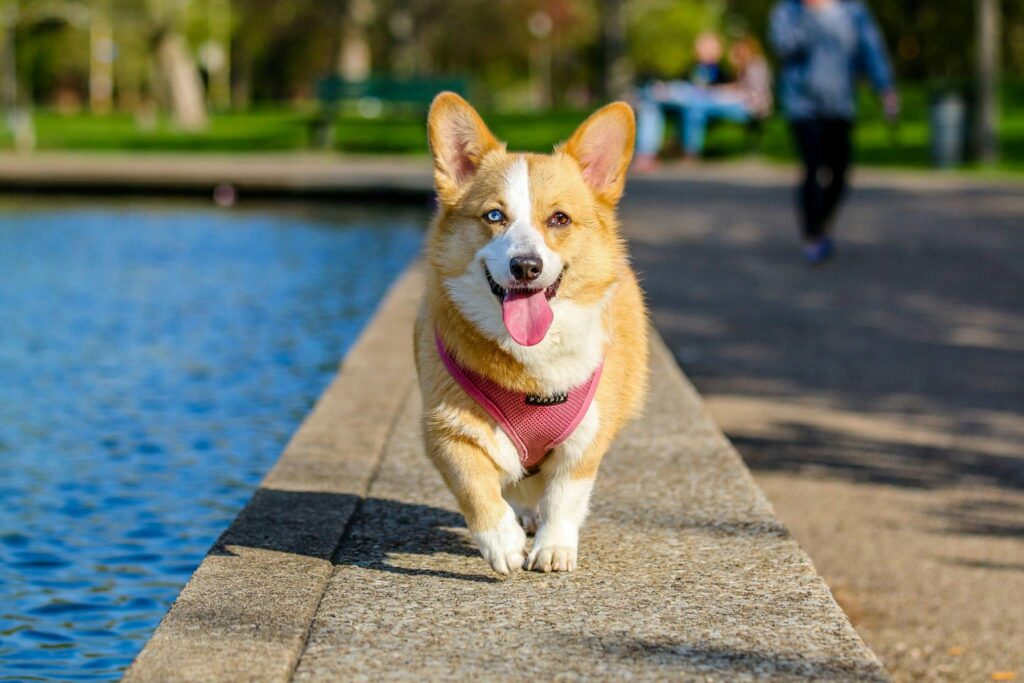
Dogs rely on strong joints, healthy skin, and a resilient internal framework to move comfortably, stay active, and enjoy a high quality of life. During old age or even in the stages of growth and activity, the bodies of dogs naturally change, which may influence mobility, quality of coats, and overall vitality. Today, more pet owners are becoming aware of how nutrition influences long-term wellness, which is why interest in options like a pet collagen supplement continues to rise.
Collagen is not just any other protein. It is a structural component that exists in the entire body of a dog, and its availability affects all the aspects, such as the flexibility of joints, the quality of skin, and its digestive system. Having a better understanding of the collagen, dog owners can make better choices about whether it should be included in the list of food items that their pet feeds on regularly.
Here is how collagen functions, why it is relevant for dogs of all ages, and how supplements may play a role in supporting overall canine wellness.
Learning about Collagen: An Important Structural Protein in Dogs
Collagen is the most abundant protein in a dog’s body. It forms the foundation of connective tissues, including:
- Cartilage
- Tendons
- Ligaments
- Bones
- Skin
- Paw pads
- Fur
- The inner layer of the digestive tract
It is the one that forms the various tissues and provides them with shape, elasticity, and mechanical property, as well as the one that holds them together, like the glue. Production of collagen by a growing or active dog is natural, though it might slow down with age. This reduction has the potential of interfering with mobility, skin hydration, coat shine, digestion, and overall comfort.
Dietary collagen can be offered as a dog collagen supplement, which is an external source of such structural proteins, which may be used to support connective tissues and long-term wellness.
How Collagen Supports Joint Structure and Mobility
The healthy joints rely on the healthy cartilage, ligaments, and tendons. Due to the presence of collagen in all these tissues, it forms the structure that supports the joints to withstand the daily movements of running, climbing and play.
Collagen’s Role in Joint Structure
The cartilage consists of collagen fibers that:
- Provide cushioning
- Allow smooth joint motion
- Helping to stabilize the joints
A pet collagen supplement can be used to provide building blocks in the cartilage, particularly in dogs that are aging or those dogs who participate in high-impact activities regularly.
Why Active and Senior Dogs May Benefit
When speaking of the connective tissue support, two types of dogs are distinguishable:
Senior Dogs
With age, the collagen formation might naturally decrease. A dog collagen supplement may be used as an addition to the normal joint structure in older dogs that are age-related with the normal changes in mobility.
Highly Active Dogs
Working dogs and sporting dogs, as well as energetic pets, undergo greater physical stress. The presence of collagen can also help in strengthening their connective tissues which in the long run helps in sustaining their joints.
Collagen is not a therapy but can possibly be included in a habit of healthy joint maintenance- particularly with a balanced diet and proper physical activity.
Collagen Skins, Coats, and Paws
External tissues are also affected by collagen. The collagen structural fibers benefit the skin by supporting the skin to be healthy, such as with skin elasticity and skin hydration.
Coat Quality and Skin Support
A collagen supplement for pets can help to
- Firmness and pliability of skin
- Healthy coat sheen
- Normal moisture retention
- Being in support of daily environmental stressors
- Coat thickness and texture
Dogs that have naturally sensitive skin or dogs subjected to sun, cold, or rough ground usually have regular nutritional support.
Paw Pad and Nail Strength
Since the paw pads consist of connective tissue that is made of collagen, dietary peptides could play a role in the strength and longevity of the paw pads. Healthy paws enable the dogs to have traction, balance, and comfort when walking or playing.
Aging and Skin Health
The consumption of collagen could maintain the overall skin of dogs as they travel through the various periods of life.
Collagen’s Role in Digestive and Internal Wellness
In spite of its common connection with the skin and joints, collagen is also significant to the digestive system.
Gut Lining Integrity
The connective tissues are made up of collagen in the inner lining of the digestive tract. A dog collagen supplement can be used to supply amino acids that help in the structure of these tissues.
Amino Acids for Internal Strength
The amino acids found in collagen are glycine, proline, and hydroxyproline, which provide:
- Muscle maintenance
- Tissue integrity
- Bone framework
- Metabolic stability
Dog diets may not necessarily contain these amino acids in sufficient amounts; hence, the nutritional balance can be achieved through supplementation.
Bones and Connective Tissue Support: Collagen is the source of part of the framework which supports the long-term bone density and joint structure.
Collagen Formulations in Dog Supplements: There may be a slight variation in the benefits of different sources of collagen.
Hydrolysed Collagen (Collagen Peptides): This is the most widespread one, and it is present in supplements. Hydrolyzed collagen is decomposed as smaller peptides, which might be easier to digest and use by the dog.
Bovine Collagen: One of the most popular types, bovine collagen, contains Type I and Type III collagen, which helps to support the skin, bone, and connective tissues.
Marine Collagen: Marine collagen, which is obtained from fish, is occasionally applied to dogs with nutritional restrictions, sensitivity, or particular nutritional requirements.
When Should Dog Owners Consider a Collagen Supplement?
No particular age is right to start using collagen since dogs can be at different ages.
Puppies and Young Dogs
Developing organisms need good connective tissues and an adequate supply of amino acids. Although a balanced food must always be first, a pet collagen supplement could be beneficial in reaching a healthy structural development.
Adult Dogs
During an active lifespan, joints and muscles undergo normal wear and tear; thus, collagen will be beneficial to adult dogs. It can be used to complement fitness programs, agility programs, or long distance walks.
Senior Dogs
The reduction in the production of collagen with age results in a dietary supplement of dog collagen, which is able to take care of overall body mobility, skin structure, and comfort.
How to Introduce Collagen into Your Dog’s Daily Routine
The consistency is important when adding collagen to the diet of a dog.
Start Slowly
Add collagen in small portions, and keep adding it slowly to the recommended portions to enable the digestion to adapt.
Mix with Food
The majority of collagen supplements easily combine with:
- Wet food
- Dry kibble
- Hydration toppers
- Bone broth
This renders it easy and smooth to use every day.
Observe Your Dog’s Behavior
Every dog is unique. Monitor changes in
- Activity levels
- Coat appearance
- Appetite
- Hydration
- Mobility
This will assist you in determining the suitability of collagen to their overall wellness program.
Select a Supplement with Transparent Sourcing
A high quality dog collagen supplement must contain:
- Clear ingredient labeling
- No unnecessary fillers
- Consistent sourcing
- Quality assurance or testing
All these create trust in whatever you are feeding your dog.
Supporting Collagen with a Holistic Wellness Plan
Collagen works best when combined with a complete lifestyle approach.
- Nutrition
- Give a nutritious diet that is high in:
- Healthy fats
- Lean proteins
- Whole-food nutrients
- Omega-3 fatty acids
These work alongside a pet collagen supplement to support long-term tissue health.
Exercise
Exercise helps in strengthening of muscles, circulation, and joint functioning. Activities can include:
- Walks
- Light jogging
- Agility training
- Swimming
- Play sessions
Weight Management
A healthy body weight will save the undue pressure on joints and connective tissues.
Frequent Veterinary Examinations
A veterinarian is able to assist you in adjusting the nutritional routine of your dog, such as including collagen supplements, depending on its age, lifestyle, and health condition.
Final thoughts
Collagen plays a foundational role in the overall health of your dog’s joints, skin, bones, connective tissues, and internal structures. To ensure the mobility, the quality of the coat, and the wellness of your pet in a natural and balanced manner, you may complement the daily routine with a dog collagen supplement. Many pet owners explore products like Optiwize for dogs as part of a complete approach to their dog’s nutritional and joint health management.